

There is a common pattern in many companies.
The pilot works.
The technology is validated.
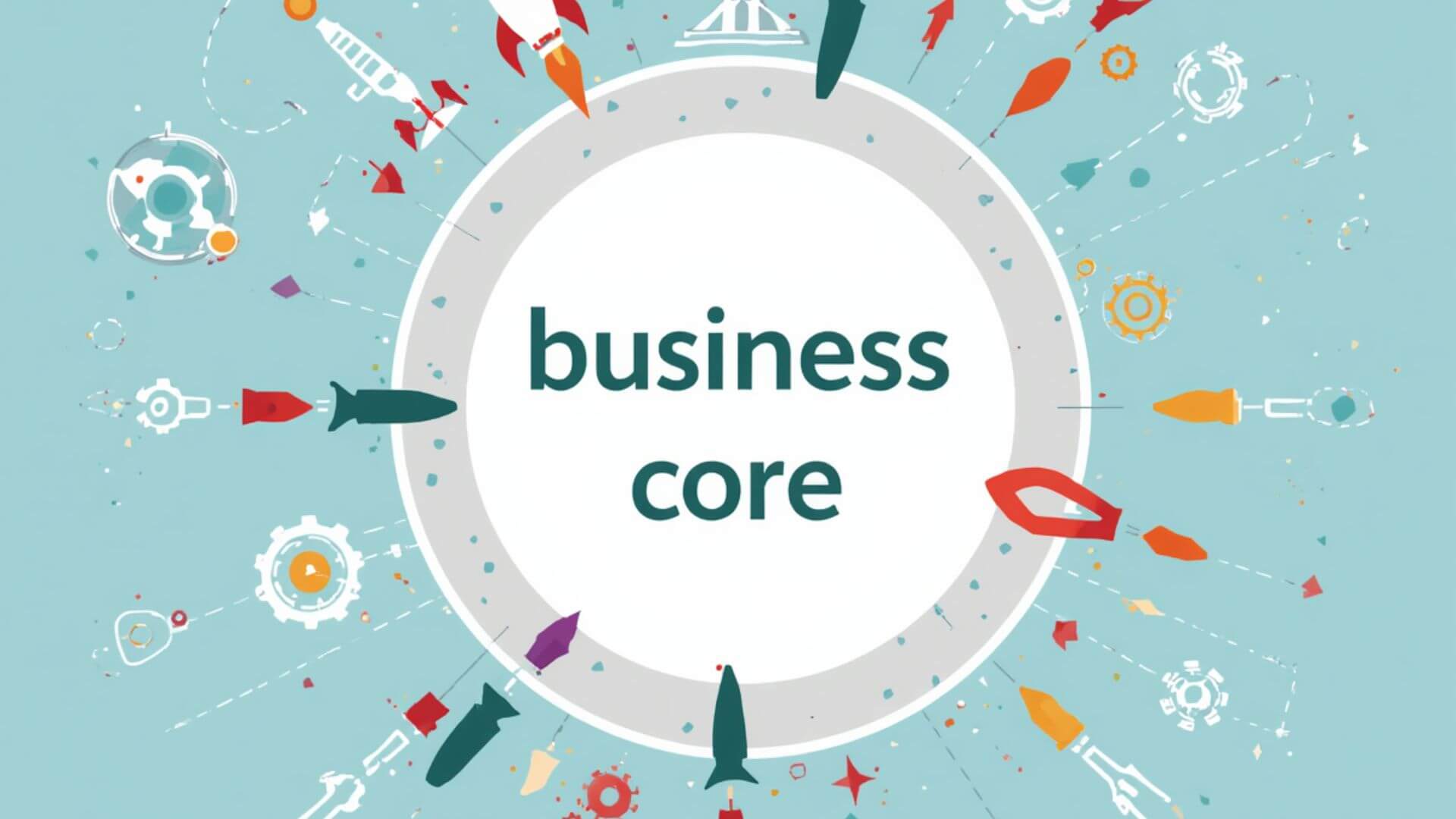
But it never reaches the core of the business.
Innovation remains isolated. It doesn’t become a process, it doesn’t become a product, and over time, it loses relevance.
The problem is not the idea
In most cases, the issue is not the quality of the solution. It is integration.
The core of a company is, by nature, stable. It operates with defined processes, consolidated systems, clear targets, and an operation constantly under pressure for efficiency and predictability.
Any new solution must enter this environment… and that inevitably creates friction.
The “organizational immune system”
Every company develops, over time, a kind of defense system against change.
Operations are designed to work. They prioritize stability, control, and predictability. Innovation, on the other hand, brings uncertainty, adaptation, and often risk.
This tension rarely appears as explicit rejection. Almost no one says, “we don’t want to innovate”.
What happens is more subtle: adoption doesn’t move forward, systems are not adapted, priorities shift, and the project gradually loses space.
Innovation is not blocked.
It is simply not absorbed.
The mistake starts at the beginning
In most cases, the problem does not arise during implementation. It starts much earlier.
Many innovation projects are developed outside the operation. They are driven by dedicated teams, external partners, or research institutions, without the real involvement of those who will ultimately use, operate, and sustain the solution.
While the project is being developed, this seems to work. But when it needs to enter the company’s day-to-day reality, barriers emerge.
What was designed as a solution… was not designed for the environment where it needs to operate.
What mature companies do differently
More mature companies address integration from the start.
They do not allow innovation to happen separately from the business. They involve operations early, consider systems and processes from the beginning, and assess the real impact on daily activities.
More importantly, they clearly define who will be responsible for absorbing the solution once it is ready.
Innovation stops being something external that needs to be “plugged in” later.
It becomes something built already integrated into the core.
Is it more expensive? Yes. More complex? Yes.
But it is also more realistic… and significantly increases the chances of becoming part of the business.
In the end, it’s simple
Innovation does not fail to scale because of lack of quality.
It fails because it does not connect.
And what does not connect to the core of the business…
does not survive.